Skip to content

About Hankil Food

Scooping Korean soybeans with a wooden ladle
Our Story

Traditional jang, made the way our ancestors made it

We started Hankil Food to share real Korean jang, the fermented soybean sauces and pastes that Korean families have made for generations, and to help people eat well every day.

Hankil (한길) means “one path.” The name is our promise to stay honest and keep to our principles in everything we make.

We put years of research into jang before we founded the company. Some makers simply repeat old habits, and others drop tradition altogether. We kept the traditional method and built on it with microbiology and fermentation science. We spent several years making trial batches and asking customers for honest feedback.

We founded the company in August 2010 in Buyeo, Chungcheongnam-do, and started full production. For the first years we made small batches and sold only to people around us while we kept improving. Today we are proud to offer our jang to everyone.

“Tasting is believing.”We want our jang to win you over the first time you try it.

The Artisan

Traditional jang, studied by an engineer

Our doenjang and ganjang are made by a master artisan who graduated in engineering from Seoul National University. He brings microbiology and fermentation science to the traditional way of fermenting meju (blocks of fermented soybeans).

Good jang depends on good meju. So the work is about understanding the microbes on the meju: keeping out the ones that spoil the flavor and helping useful ones, such as Bacillus subtilis, to grow.

  • 100% Korean soybeans grown in Buyeo
  • Our own method for fermenting meju
  • 100% Korean sea salt
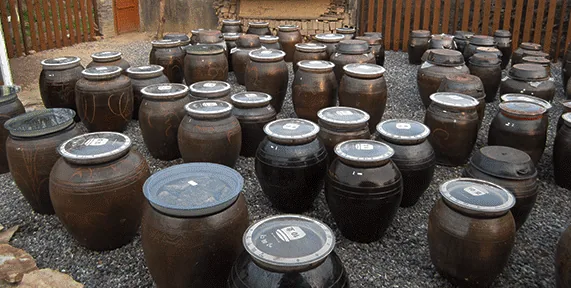
  • Aged naturally in onggi crocks for at least three years
  • No preservatives, MSG or chemical additives
How It’s Made

How Han Doenjang is made

We follow the seasons. The soybeans are cooked and the meju is made in winter. Then the jang ages in onggi (earthenware crocks) for years.

  1. Korean soybeans in a bamboo basket
    01Nov to Feb Soaking and boiling the soybeans From November to February, we soak the soybeans in water for more than 12 hours. Then we boil them in a large cauldron for about four hours.
  2. Shaping a block of meju by hand
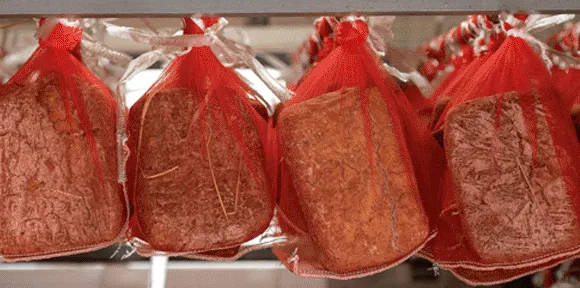
    02 Making meju We mash the cooked beans and shape them into meju, blocks of fermented soybeans. The blocks ferment for about two weeks in a room where we control the temperature and humidity. Then we hang them on racks until they are completely dry.
  3. Fermented meju blocks
    03Feb to Mar Steeping in brine In February and March, we rinse the meju under running water and let it dry. We then place it in onggi (earthenware crocks) and cover it with brine of the right strength.
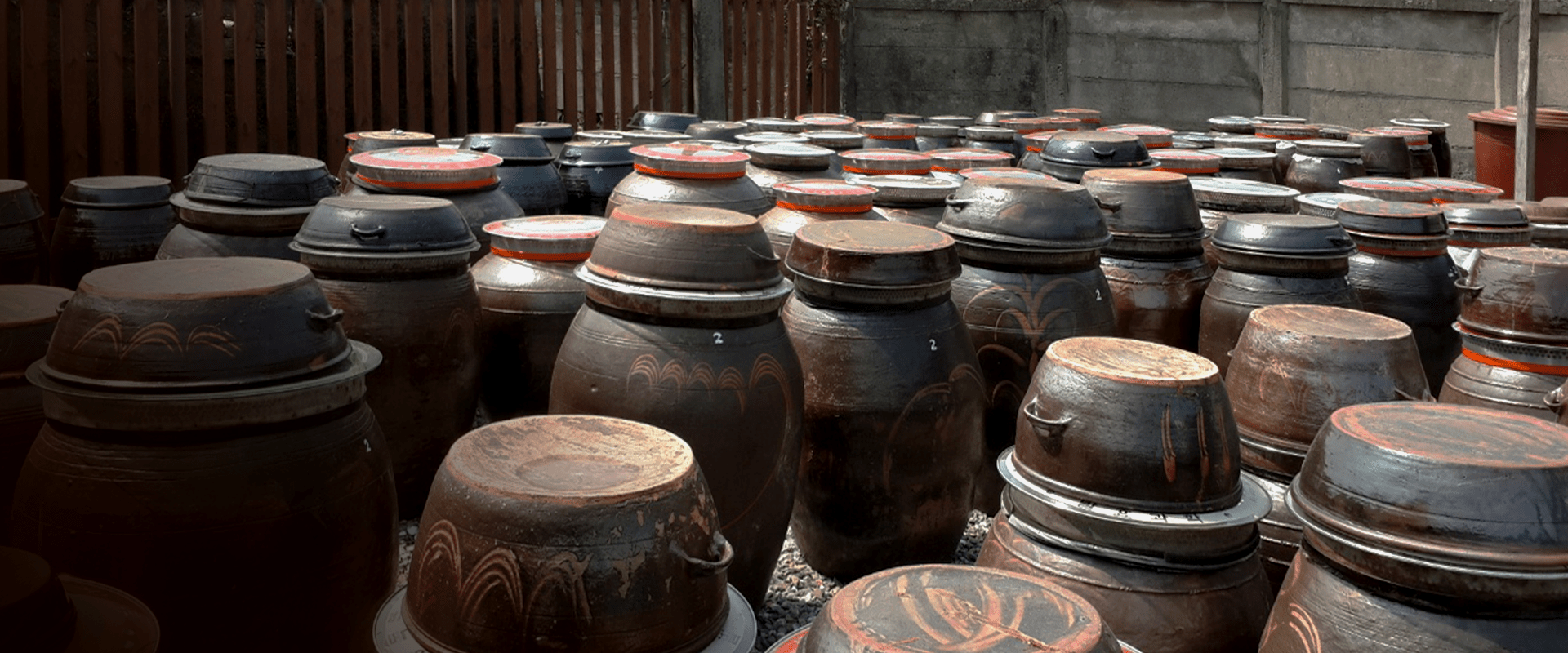
  4. Rows of onggi crocks in the yard
    04After 40 days Separating doenjang and ganjang After 40 days, we mash the softened meju and pack it into crocks to become doenjang. The liquid is ganjang. We boil it in a cauldron for about 30 minutes and move it to sterilized crocks.
  5. Onggi crocks of aging jang
    053 years or more Aging Jang can be eaten after six months, but we only sell doenjang and ganjang that have been aged for at least three years.

Everything is made in a licensed food manufacturing facility, and we run our own quality inspection every three months.

Quality

Simple ingredients, regular checks

Ingredients

Han DoenjangMeju (Korean soybeans 96%), Korean sea salt 4%
Han GanjangKorean soybeans (meju), Korean sea salt, water
Made inBuyeo, Chungcheongnam-do, Korea
AllergenContains soybeans

Quality control

  • Made in a licensed food manufacturing facility
  • In-house quality inspection every three months
  • No preservatives, MSG or added seasoning
  • No chemical additives
  • We only sell jang aged for at least three years
Blocks of meju hanging to ferment in mesh bags
Jang Story

Where jang comes from, and what makes it traditional

How soybean jang is thought to have begun in ancient Manchuria, why only soybeans, salt and water make traditional jang, and how the microbes in meju shape its flavor.

CEO Message

A message from our CEO

I am Han Kyung-hwa, CEO of Hankil Food. We have come this far thanks to the support of our customers, and I am truly grateful.

We will keep researching and working hard to repay that support with healthy, delicious products. We will also do our best to carry on Korea’s tradition of making jang. Thank you.

CEO, HANKIL FOOD Co., Ltd.Han Kyung-hwa
Location

Visit us in Buyeo

Our workshop and onggi crocks are in Eunsan-myeon, Buyeo, in Chungcheongnam-do.

Address
20, Chungjeol-ro 2760beon-gil, Eunsan-myeon, Buyeo-gun, Chungcheongnam-do, Republic of KoreaLot address: 414-1 Sindae-ri, Eunsan-myeon충남 부여군 은산면 충절로2760번길 20
Phone
+82-41-834-4832 Main line+82-70-7759-4832 Online sales
Rows of onggi crocks in the yard at Hankil Food in Buyeo
Our jang ages in these onggi crocks through at least three full rounds of the seasons.

Looking for traditional Korean jang?

We work with importers, distributors, Korean grocery stores and restaurants. Tell us about your market, the products you need and the quantities you have in mind.